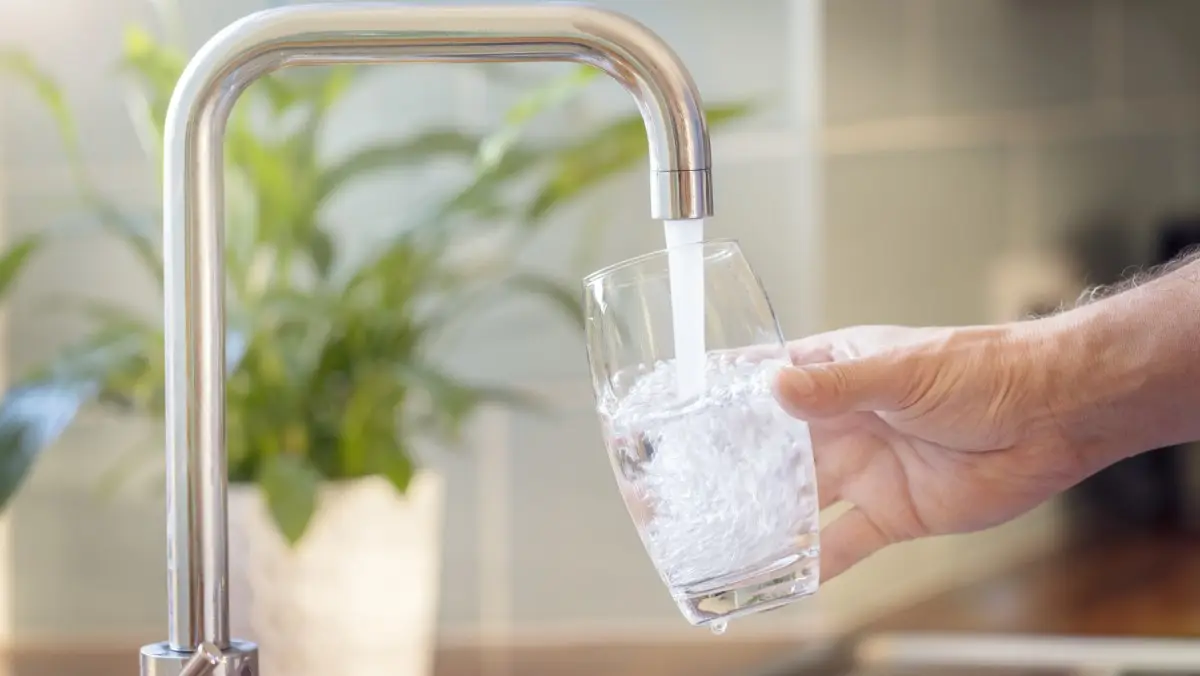
It is a common misconception that lead is an ingredient in our water supply. In reality, lead rarely exists in the water as it flows from municipal treatment plants. Instead, the problem occurs when water interacts with the plumbing materials between the water main in the street and your kitchen faucet.
Understanding the “how” and “why” behind lead leaching at the tap is the most effective way to demystify the issue and take control of your home’s water safety.
1. The Chemistry of Leaching
Lead is a metal that can dissolve or break off into small particles when it comes into contact with water. This process, known as leaching, is influenced by several factors:
- Corrosion: Over time, water can act as a mild acid, eating away at the interior of lead pipes, lead-based solder, or older brass fixtures.
- Stagnation: The longer water sits in your pipes, the more time it has to “pick up” lead from the plumbing walls. This is why water that has sat overnight or while you were at work often has higher lead concentrations than water that has been running steadily.
- Temperature: Heat accelerates chemical reactions. This is why hot tap water typically contains higher levels of dissolved lead than cold water, as it leaches lead much more aggressively from pipes and fixtures.
2. The Infrastructure Culprits
Where exactly does this lead come from? It usually originates from three specific parts of a home’s plumbing and lead infrastructure:
- Lead Service Lines: These are the pipes connecting your home to the city’s water main. If your home was built before the late 1980s, there is a risk this line is made of lead.
- Lead-Based Solder: Until 1987, it was common practice to use lead-based solder to join copper pipes. As this solder degrades, it can release lead into the water.
- Fixtures and Faucets: Even if your main lines are clean, older brass or chrome-plated faucets and valves can contain lead components. These are often the final point of contact before the water reaches your glass.
3. The Role of Corrosion Inhibitors
Municipalities are well aware of this issue and typically add chemicals called corrosion inhibitors (such as orthophosphate) to the water supply. These chemicals form a protective, microscopic film inside the pipes, acting as a barrier that prevents water from coming into direct contact with the lead.
However, this barrier is not perfect. It can be disturbed by changes in water chemistry, construction work on the street, or even fluctuations in water pressure. When this film is disturbed, lead levels at the tap can spike, which is why consistent, proactive testing is so important.
4. Taking Control at the Tap
Knowing how lead reaches your water allows you to use common-sense solutions to mitigate the risk effectively:
- “Flush” the System: Whenever a tap has not been used for six hours or more, run the cold water for at least one to two minutes. This clears the “stagnant” water from the service line and brings fresh water from the main into your home.
- Prioritize Cold Water: Make it a household rule to use only cold, flushed tap water for drinking, cooking, and preparing baby formula.
- Use Certified Filtration: A point-of-use filter—such as a pitcher, faucet-mount, or under-sink system—that is certified to NSF/ANSI Standard 53 for lead removal is a highly effective way to provide a final, reliable barrier against lead at the tap.
Moving Forward with Confidence
While the technical side of water chemistry can sound intimidating, the day-to-day management is straightforward. By understanding that lead is a “last-mile” plumbing issue rather than a supply-chain failure, you can stop viewing it as a mysterious threat.
Instead, view it as a maintenance item—much like changing the batteries in a smoke detector or cleaning your furnace filter. By staying informed about cities and infrastructure projects and keeping your lead service lines in mind, you can ensure your home provides safe, healthy water for your family every single day.