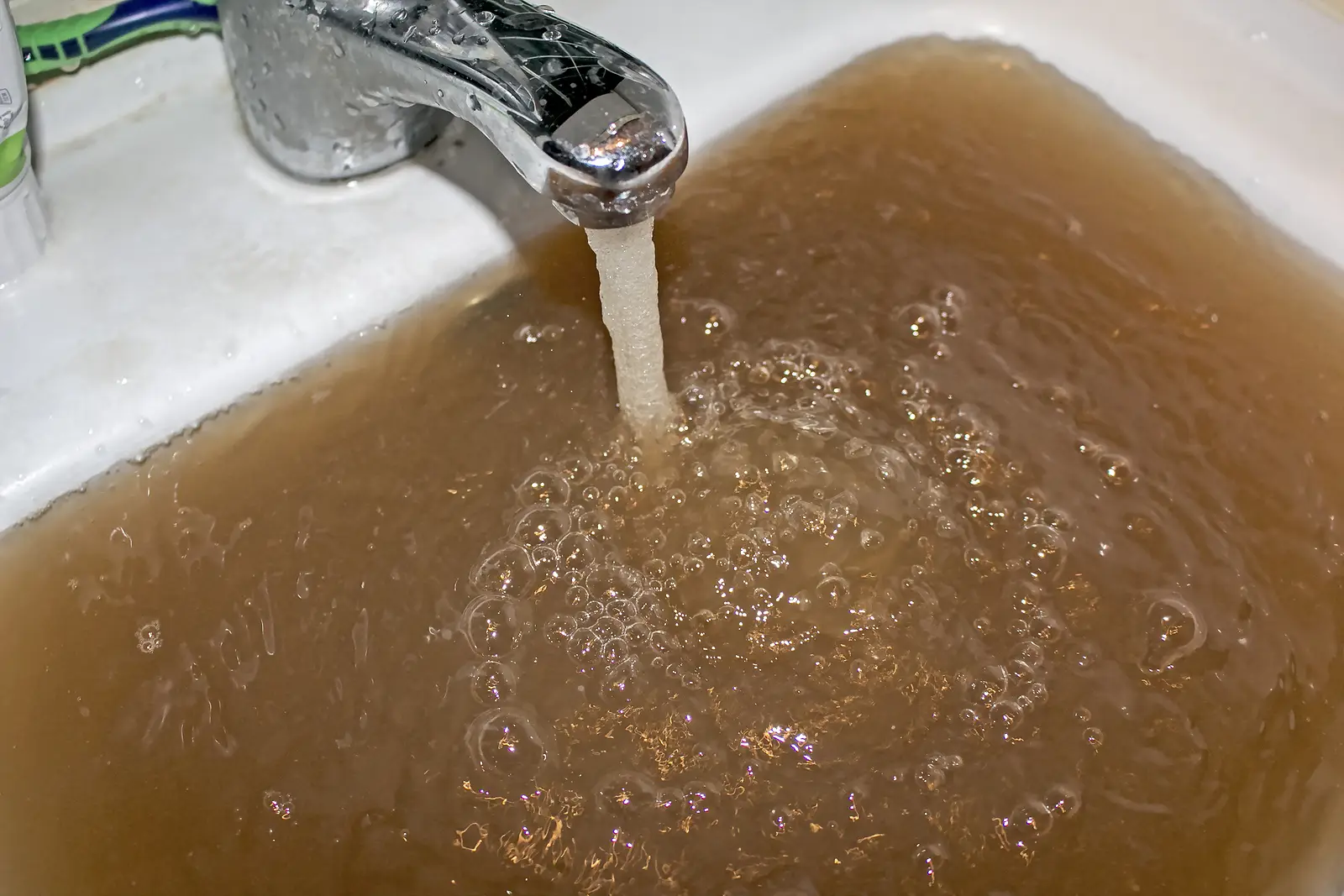
For decades, the invisible risk of lead pipes lay buried beneath our streets, largely unacknowledged and unaddressed. Today, that has changed. Across the United States, municipalities are engaged in a monumental effort to identify, map, and replace the legacy lead infrastructure that connects millions of homes to the public water supply.
This transition is arguably the most significant public health infrastructure project of the 21st century. But how exactly are cities managing this, and what does it mean for the average homeowner?
The Foundation: Mapping and Transparency
Before a single pipe can be pulled, a city must know exactly where its lead exists. This has been the first—and often the most difficult—step for many municipalities. For years, record-keeping was inconsistent; some cities relied on hand-drawn maps from the early 1900s, while others had no centralized inventory at all.
Today, cities are using advanced digital tools to build comprehensive lead inventories. They are combining historical building records, data from previous excavations, and predictive modeling to identify which neighborhoods were most likely built during the era when lead was the industry standard. This focus on transparency is a hallmark of modern cities and infrastructure management; most utilities now provide interactive maps that allow residents to search their own addresses to see if they are connected to a known lead line.
Federal Funding and Regulatory Pressure
The pace of replacement has accelerated significantly thanks to a combination of federal mandates and increased funding. The EPA’s updated Lead and Copper Rule (LCR) now requires utilities to be much more proactive in their search for lead and more transparent with the public about what they find.
To support this, billions of dollars in federal funding have been made available to state and local governments. This financial support is crucial because it allows cities to shift the burden of replacement away from the individual homeowner. In the past, the high cost of replacing a private service line was a major barrier. Now, many municipalities are utilizing these grants to offer “full-service” replacements, covering both the public side (the utility’s portion) and the private side (the homeowner’s portion) at no cost to the resident.
Innovative Replacement Techniques
Municipalities are also becoming smarter about how they replace these lines. In the past, every replacement meant digging a trench from the water main all the way to the house. This was expensive, disruptive to traffic, and hard on homeowners’ landscaping and driveways.
Now, many cities are adopting “trenchless” technology. This involves:
- Pipe Bursting: Using the old lead pipe as a guide to pull a new, safe pipe through, which requires minimal digging.
- Directional Drilling: Using small, controlled holes to snake new piping underneath yards and sidewalks, bypassing the need for a full-length trench.
By reducing the physical impact of the work, cities are finding that residents are far more willing to grant the necessary permissions for crews to enter their property and complete a full replacement. For more on what this process looks like on your property, our resource on plumbing and lead provides a clear breakdown.
Addressing the “Equity Gap”
A central challenge for municipalities today is ensuring that the replacement effort is equitable. Historically, lower-income neighborhoods and older urban centers have been disproportionately affected by lead infrastructure.
Forward-thinking cities are now prioritizing their replacement schedules based on public health data, focusing first on areas with a high density of children, schools, and daycare centers. By targeting these vulnerable populations first, cities are working to bridge the equity gap and ensure that the most significant health concerns are addressed before less-critical, suburban areas.
The Role of Public-Private Coordination
Replacing a service line is complicated because it involves two different owners: the city (which owns the main) and the homeowner (who owns the private service line). For a long time, this “split ownership” was the biggest hurdle to progress.
Municipalities are now breaking through this by changing their legal frameworks. Many cities are updating their ordinances to allow the utility to use public funds to perform work on private property. This eliminates the need for the city to wait for the homeowner to be able to afford the replacement. This, combined with the focus on lead service lines, has allowed for a much more streamlined “all-in-one” replacement approach.
How You Can Engage with Your City
If you are wondering what your local government is doing, you have more power than you might realize. Here are the steps to engage with your local municipality:
- Check Your Utility’s Site: Search for your city’s water department website. Look for terms like “Lead Service Line Inventory” or “Lead Replacement Program.”
- Attend Local Meetings: Municipal water boards and city council meetings are where budget allocations for these projects are decided. Your presence shows that this is a priority for voters.
- Ask for Full Replacement: If your city announces a project, ensure they are planning a full replacement—not a “partial” one. Partial replacements (where only the city-side pipe is replaced) can sometimes cause a temporary spike in lead levels due to the vibration of the old pipe.
- Use Available Resources: Many cities have an FAQ page specifically for residents. It will often contain the latest on funding, timelines, and how to schedule your replacement.
Looking Ahead
The shift in municipal approach—from reactive repair to proactive, data-driven replacement—is a historic success story in the making. While there is still a long way to go, the level of cooperation between federal regulators, municipal planners, and local residents is higher than it has ever been.
If you have questions about your local programs or need assistance in starting a conversation with your utility, please do not hesitate to contact us. We are dedicated to helping you stay informed and safe throughout this transition. To keep up with the latest updates on policy changes, infrastructure grants, and neighborhood-level progress, be sure to visit our blog regularly.
The lead pipe in your yard was a product of the 20th century, but the commitment to removing it is the definitive project of our current generation. By working together, we are building a safer water future, one service line at a time.
Disclaimer: This information is for educational purposes only and should not be considered professional financial, legal, or infrastructure advice. Always consult with your local water utility regarding your property’s specific service line status.
Further Reading
- EPA: Lead and Copper Rule Improvements
- National Association of Water Companies (NAWC): Lead Service Line Replacement
Does your local municipality have an online tool for checking the material of your water service line, or are you still waiting for updated information from your city’s utility office?