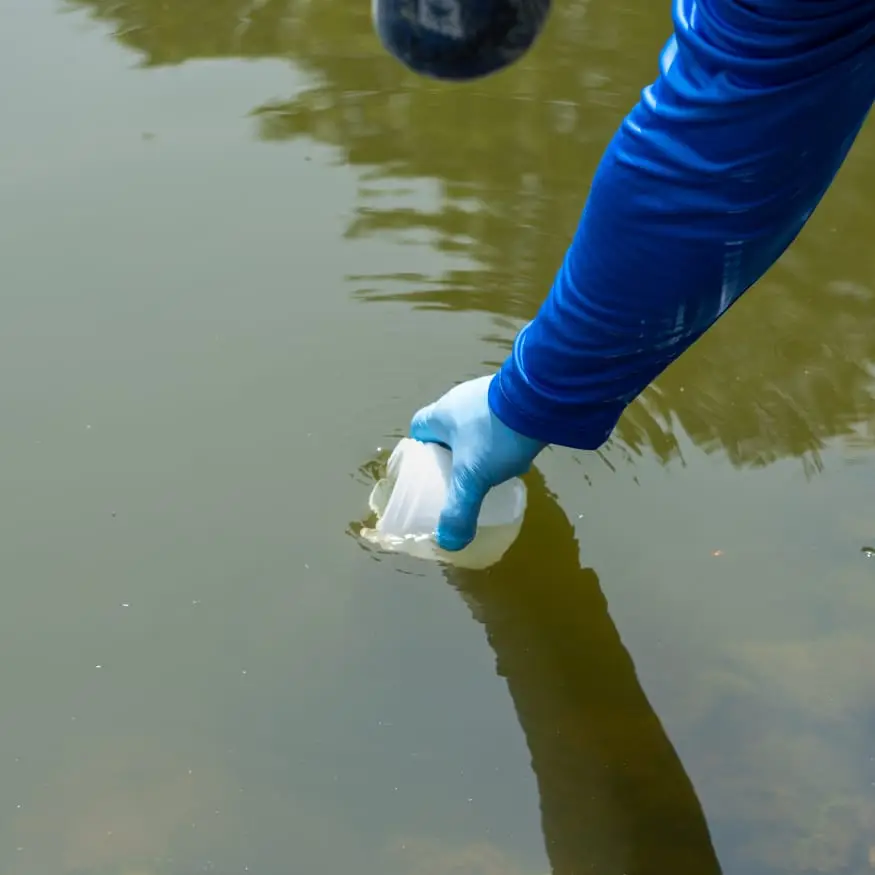
We are conditioned to associate water quality with visual cues. We trust the water if it runs clear, lacks an odor, and tastes “normal.” Conversely, if water appears cloudy or discolored, we instinctively reach for a filter or choose bottled alternatives. However, when it comes to lead, this reliance on our senses is fundamentally flawed.
Lead is a silent, colorless, and odorless contaminant. You cannot see it, smell it, or taste it, even when it is present at levels that exceed federal action thresholds. Understanding why lead can persist in water that appears perfectly pristine is the first step toward taking proactive control of your household’s water safety.
The Chemistry of Dissolved Lead
The primary reason lead is invisible is that it often exists in a dissolved state. When water sits in contact with lead-based plumbing materials—such as lead service lines, older brass fixtures, or lead-based solder—the metal atoms undergo a chemical reaction. They break away from the pipe surface and enter the water stream as ions.
Unlike sediment, rust, or debris, which are physical particles you can see suspended in a glass, dissolved lead is chemically integrated into the water itself. It does not make the water cloudy. A glass of water contaminated with high levels of lead can look, smell, and taste exactly the same as a glass of pure, lead-free spring water. This invisibility is exactly why health concerns associated with lead exposure remain such a persistent, hidden issue in many communities.
Where the Contamination Hides
Lead contamination is a result of your home’s specific position within the broader system of cities and infrastructure. Even in cities that treat their water to the highest standards, the journey from the water main to your tap can introduce lead at several points:
- Service Line Leaching: If the “last mile” of your water system—the pipe connecting the city main to your home—is made of lead, the water is exposed to this material every time you turn on the tap.
- Internal Plumbing: In many homes built before the mid-1980s, the plumbing and lead connection is found inside the walls. Lead-based solder used to join copper pipes, as well as older faucets and valves, can contribute lead to your water supply even if your service line has been replaced.
- Physical Disturbance: While lead is often dissolved, it can sometimes be present in the form of microscopic, microscopic lead-bearing particles. If there has been recent construction or a water main break in your area, these particles can be dislodged and travel into your home. While these particles might eventually make the water look slightly turbid, in many cases, they remain invisible to the naked eye.
The “Stagnation” Factor
Because lead contamination is a chemical reaction that takes time, the most common source of high lead levels is “stagnant” water—water that has been sitting in your pipes for several hours while you were asleep or away.
During this time, the water effectively “soaks” the lead from the interior of your pipes. This is why the first water you draw in the morning is often the most likely to have high concentrations of lead. By the time you have run the tap for a while, you are drawing fresh water that has spent very little time in contact with those aging pipes. This is the simple logic behind the recommendation to flush your pipes, but it also explains why clear water can be deceptive: the “first draw” might be highly contaminated, yet it looks just as clear as the water that follows it.
The Importance of Independent Testing
Since you cannot rely on sight or smell, the only way to know if your water contains lead is through laboratory testing. A certified lab test will analyze your water for dissolved metals and provide you with a quantitative result in parts per billion (ppb).
If you are concerned about your water quality, do not wait for a visual sign of trouble. Instead, contact your local water utility; many offer free or subsidized testing kits to residents. You can also find independent, state-certified labs that specialize in water quality analysis. If you have questions about how to collect a sample or what to do with your results, our FAQ page offers a step-by-step breakdown of the testing process.
Proactive Mitigation: Safety Despite Invisibility
Because you cannot detect lead through your senses, you should manage your water safety with the assumption that your home’s infrastructure may contribute to your exposure. There are several effective ways to protect your household regardless of how your water looks:
- NSF/ANSI Standard 53 Filters: If you are worried about lead, invest in a filter specifically certified for lead reduction. These filters are designed to capture lead particles and adsorb dissolved lead ions that your eyes would never catch.
- Cold Water Always: Since the leaching process is accelerated by heat, never use hot tap water for drinking, cooking, or making formula. Even if the water is clear, hot water is a more reactive environment for lead.
- Routine Flushing: Make “flushing” a standard habit. If your water has been sitting for several hours, run the cold water for 3 to 5 minutes to clear out the stagnant water before using it for consumption.
We Are Here to Help
Navigating the hidden world of lead in your home’s plumbing can feel intimidating. You are not alone in this, and you do not have to manage these decisions in the dark.
If you have questions about whether your home might have lead-containing infrastructure, or if you need help finding resources on how to test your water or talk to your utility, please contact us for guidance. To stay up to date on best practices, the latest in water safety technology, and ongoing advocacy efforts, be sure to visit our blog regularly.
By accepting that clarity does not equal safety, you are taking a crucial step toward better health. You are no longer relying on flawed visual assumptions—you are taking active, informed steps to ensure your family’s water is truly safe.
Disclaimer: This information is for educational purposes only and should not be considered professional medical, engineering, or plumbing advice. If you have concerns about the safety of your drinking water, always consult with your local water utility or a certified environmental testing laboratory.
Further Reading
- EPA: Protect Your Tap: A Quick Check for Lead
- National Resources Defense Council: Get the Lead Out
Are you interested in learning more about the specific testing procedures used to detect lead, or do you have questions about finding a certified lab in your area?