For most homeowners, real estate represents their largest single investment. We take great care to maintain the roof, update the kitchen, and ensure the foundation remains stable—all with the dual goals of living in a safe environment and maximizing the long-term value of the property. Yet, there is a critical infrastructure component that is often left out of this maintenance equation: the water service line.
If your home is connected to the municipal water main via a lead pipe, you are dealing with more than just a plumbing concern. You are dealing with an environmental factor that has tangible, long-term implications for your property’s value, marketability, and overall safety profile.
The Intersection of Infrastructure and Equity
The existence of lead service lines is a legacy issue that affects millions of homes, particularly in older, established neighborhoods. In the past, the “invisibility” of these pipes meant they rarely surfaced in real estate conversations. However, that has changed significantly in recent years. As federal regulations tighten and local governments invest more in their cities and infrastructure, the status of a home’s water line is becoming a standard inquiry during due diligence.
From a valuation perspective, a lead service line acts as a “latent defect.” While it does not necessarily render a home unsellable, it does introduce a layer of uncertainty. Prospective buyers—who are increasingly informed about the health concerns associated with lead—often view an identified lead line as an upcoming expense that they will need to address, either immediately upon moving in or as part of a long-term capital improvement plan.
How Marketability is Changing
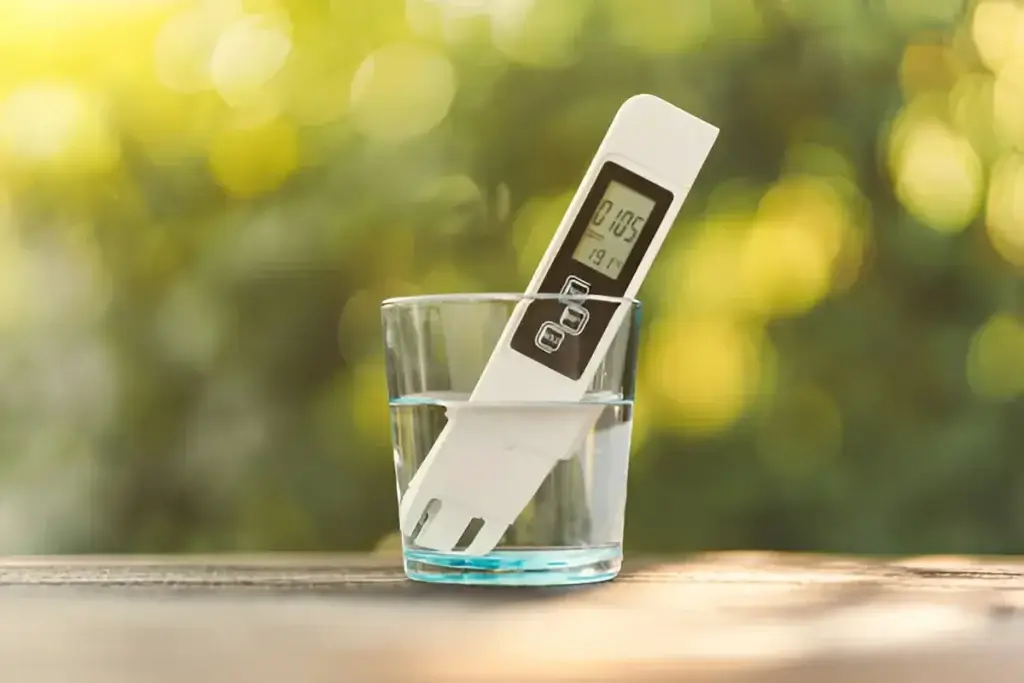
In a competitive real estate market, properties that are “turn-key” and transparent regarding their condition fetch a premium. A home that can be marketed as “lead-free” or “fully upgraded” regarding its water service line stands out from others in the same neighborhood. Verifying the safety of potable water supplies through checking drinking water for lead in New York City is a straightforward step that provides documented evidence of risk levels for household members and health professionals alike.
Conversely, consider the scenario of a potential buyer performing their own research. Many municipalities now provide online portals where residents can look up their service line material. If a buyer searches your property and discovers it is flagged as “Lead” or “Unknown,” it creates an immediate point of friction. It prompts questions: Who is responsible for the cost of replacement? Does the city have a program to assist? Are there health risks I need to mitigate?
By being proactive, you turn a potential negative into a controlled, manageable detail.
The Financial Impact of Replacement
Replacing a lead service line is a significant home improvement project, but its return on investment (ROI) should not be measured only in dollars. While there may not be a direct, 1-to-1 correlation between the cost of a pipe replacement and the increase in sale price, the value is found in risk reduction and peace of mind.
Think of a lead service line replacement in the same category as replacing an aging water heater or updating a electrical system. These are “invisible” upgrades that facilitate a smoother transaction. When you replace a lead line:
- You eliminate the liability from the property.
- You provide a clean inspection report for future buyers.
- You remove a common, deal-breaking point of negotiation during the closing process.
Additionally, as cities accelerate their replacement programs, homeowners who have already addressed the issue are often better positioned to take advantage of local grant funding or subsidies. Waiting for the city to reach your street might take years; taking the initiative can often be facilitated by existing public-private partnership programs.
Managing the Reality of Your Plumbing
It is helpful to distinguish between the service line (which connects the main to the house) and your plumbing and lead status inside the walls. While the service line is the most significant concern for utility-side exposure, potential buyers are increasingly looking for a comprehensive look at the home’s plumbing. Arranging home water testing services in Queens is one of the most direct ways homeowners can assess the true risk in their own plumbing before committing to costly infrastructure changes.
If you are planning to sell, consider these three steps to protect your property value:
- Get the Facts: Check your local utility’s website to see if your address is mapped. If it is marked “Unknown,” contact them to get it verified.
- Document Everything: If you have already replaced your service line, keep the receipts and the documentation from the plumbing contractor. This is vital “paperwork” that should be kept with your property records, similar to a warranty on a new roof.
- Be Transparent: If you know your home has a lead service line and you haven’t replaced it, be prepared to discuss it with your real estate agent. Providing information—such as copies of local utility brochures on replacement programs or your own water testing results—shows that you are an informed seller who has nothing to hide.
The Long-Term Perspective
The shift toward lead-free water is a societal movement, not just a residential one. Over the next decade, as cities finalize their inventories and accelerate their replacement schedules, lead service lines will become an anomaly rather than a standard feature.
Property owners who act now to upgrade their infrastructure are effectively “future-proofing” their homes. They are ensuring that their asset remains aligned with modern public health standards. By contrast, owners who ignore the issue may eventually find themselves facing increased pressure from local ordinances or a growing pool of buyers who simply refuse to consider homes with legacy lead infrastructure.
Support for Property Owners
We understand that navigating the logistics of infrastructure replacement can feel daunting, but you are not alone in this process. Whether you are planning to stay in your home for decades or preparing it for sale, knowing your options is essential.
If you are unsure where to begin, check our FAQ page for common questions regarding how to talk to your local utility about replacement timelines. If you need help understanding how to advocate for your property, please contact us for guidance. To stay up to date on the latest infrastructure policy changes and best practices for managing your home’s water safety, be sure to visit our blog regularly.
Your home is your most valuable asset. Treating your water infrastructure with the same care as your other home maintenance projects is an investment that pays off in both health and financial security.
Disclaimer: This article is for informational purposes only and does not constitute professional real estate, financial, or engineering advice. Real estate markets vary significantly by location. Always consult with a licensed local real estate professional and your water utility when evaluating infrastructure impacts on your property value.
Further Reading
- EPA: Benefits of Replacing Lead Service Lines
- National Association of Realtors: Home Inspection and Water Quality
Are you currently considering replacing your service line as part of a renovation or sale, and do you know if your local municipality offers any financial assistance for private-side replacements?