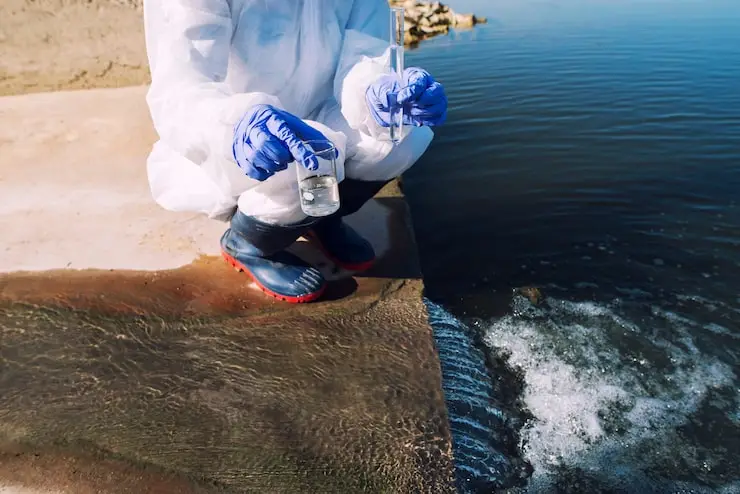
Taking the step to test your home’s drinking water for lead is one of the most proactive measures a homeowner can take. It moves the conversation from speculation to hard data. However, once you receive that lab report, you may find yourself staring at a series of numbers, units of measure, and regulatory jargon that can be difficult to interpret.
Knowing how to read and respond to your lead testing results is crucial for protecting your family’s health and making informed decisions about your property’s infrastructure.
Decoding the Units: What Do These Numbers Mean?
When you receive your laboratory report, the concentration of lead is typically expressed in milligrams per liter (mg/L) or parts per billion (ppb).
To put this into perspective, 1 mg/L is equal to 1,000 ppb. Most regulatory guidelines—including the EPA’s—utilize the parts per billion (ppb) scale for lead. Understanding this scale is important because even very low numbers can be significant. If your report shows a result of “5 ppb,” that means there are 5 micrograms of lead for every liter of water.
While the EPA has an “action level” of 15 ppb, it is critical to remember that this number is not a health-based standard. It is a regulatory threshold designed to trigger municipal action. There is no scientifically recognized “safe” level of lead in drinking water, especially for children. Any result above zero warrants a serious look at your home’s internal plumbing and your connection to the cities and infrastructure that supply your water.
The “First-Draw” vs. “Fully Flushed” Results
A laboratory report for lead is often more complex than a simple “pass/fail” result because the timing of the sample collection matters immensely.
- First-Draw Sample: This sample is taken from the tap after the water has sat undisturbed in the pipes for at least six hours. This test is intended to catch the “worst-case scenario”—the water that has been in contact with your lead service lines or internal plumbing all night.
- Flushed Sample: This sample is taken after you have run the cold water tap for several minutes. This represents the water coming from the larger municipal mains, having bypassed the specific pipes in your home.
If your “first-draw” sample shows high levels of lead, but your “flushed” sample is low or zero, it is a strong indicator that the lead is coming from your private home plumbing or service line, rather than the city’s source water. You can find more detail on how these components interact in our guide to plumbing and lead. Choosing independent water testing in NYC from an independent provider adds an extra layer of objectivity to the results, which is especially important when making decisions about property improvements.
Contextualizing Your Results: Why They Vary
It is not uncommon for homeowners to be confused by the variability of their results. You might wonder, “Why was my test result 10 ppb in January but only 2 ppb in June?”
Several factors influence these results:
- Stagnation Time: If you didn’t wait the full six hours before taking your “first-draw” sample, the result will likely be lower than if the water had sat for 12 hours.
- Water Chemistry: Temperature and pH levels change throughout the year. Warmer water, or water with lower pH, is more corrosive and more likely to leach lead from your pipes.
- Physical Disturbance: If there was recent construction or a water main break in your neighborhood, lead scale can be dislodged, causing a temporary spike in your lead levels.
Because of these variables, one test result should be viewed as a single data point rather than an absolute verdict on your water quality.
Addressing the Findings
If your results come back with detectable levels of lead, it is natural to feel concerned. However, it is important to stay calm and follow a logical path toward risk reduction:
- Review Your Sources: Do you have a lead service line? Does your internal plumbing have lead solder or old brass fixtures? If you identify the source, you can decide whether a filter is sufficient or if a full pipe replacement is necessary.
- The Power of Filtration: If your results show lead, the most immediate protective step is to install an NSF/ANSI Standard 53-certified water filter specifically designed for lead removal. Always ensure you are replacing the cartridges according to the manufacturer’s schedule.
- Refine Your Habits: Until you replace the infrastructure, commit to “flushing” your taps. If the water has been sitting for several hours, run the cold water for several minutes before filling your glass or your cooking pots. And always remember: never use hot tap water for drinking or cooking.
The health concerns associated with lead, particularly for developing children, underscore why even low-level detections should not be ignored.
When to Seek Professional Guidance
Sometimes, test results are inconclusive or point to a complex problem that isn’t easily solved with a simple filter. If you consistently receive high lead results, it may be time to consult with a licensed plumber or your local water utility. They can help determine if the lead is originating from the utility-owned side of the service line or your private plumbing, which will determine your best path forward for replacement.
We have addressed many common questions regarding test interpretations in our FAQ. If you find that your results are particularly high, or if you need help finding an independent testing lab, please contact us for guidance.
Staying Informed
Water safety is a journey of continuous monitoring. As federal and state regulations evolve, and as cities accelerate their replacement of lead service lines, the information you have today may need to be updated tomorrow.
Keep a record of your test results. This data is not just for your immediate peace of mind; it is a vital reference for any future upgrades you might perform on your home’s infrastructure. For ongoing updates on best practices, emerging testing technologies, and advocacy efforts, visit our blog regularly.
By understanding your testing results, you are taking a sophisticated, informed approach to your family’s health. You are no longer just “hoping” your water is safe—you are actively managing the quality of the water that enters your home.
Disclaimer: This information is for educational purposes and should not be considered professional medical, plumbing, or engineering advice. If you have concerns about the safety of your drinking water, always consult with your local water utility or a certified environmental testing laboratory.
Further Resources
- EPA: How to Read Your Consumer Confidence Report (CCR)
- National Library of Medicine: Understanding Lead Exposure
Are you currently in the process of reviewing test results for your home, or do you have questions about how to interpret specific data points provided by your laboratory?